Tupi Tea Ingredients: A Closer Look At The Six-Botanical Formula
Tupi Tea is presented by its seller as a six-botanical formula. This page explains what each named ingredient is and which formula details are worth confirming on the label.
Shop Tupi Tea Through The SellerAffiliate disclosure: this independent site may earn a commission if you buy through its links, at no extra cost to you.
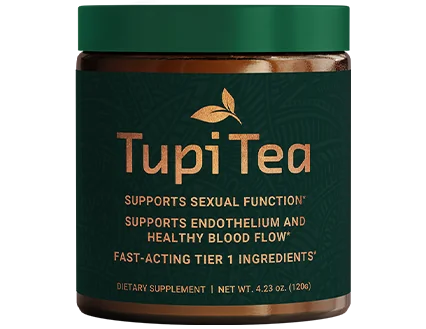
What Are The Ingredients In Tupi Tea?
Tupi Tea is presented by its seller as a botanical formula with six named ingredients: Tribulus terrestris, cayenne fruit, damiana, Epimedium, catuaba bark and an ingredient the seller calls “Miranta.”
| Ingredient As Named By The Seller | Botanical Background |
|---|---|
| Tribulus terrestris | Low-growing plant, also called puncturevine, used in Ayurvedic and traditional Chinese herbal practice |
| Cayenne fruit | The fruit of a Capsicum pepper |
| Damiana (Turnera diffusa) | Shrub native to the warmer parts of the Americas; the leaves have long been brewed as a herbal tea |
| Epimedium | Plant genus sold widely as horny goat weed and used in traditional Chinese herbal medicine |
| Catuaba bark | Bark of Brazilian trees used in traditional herbal practice; the name has been applied to several species |
| “Miranta” | Name used in the seller’s presentation; its botanical identity is not confirmed on this page |
This list follows the seller’s promotional presentation. That material does not include a full Supplement Facts panel or confirmed ingredient quantities, so none are listed here. The label on the jar you receive is the reference for amounts.
Botanical ingredients can affect people differently and may interact with medicines, so read the full label and speak with a healthcare professional before use if you take prescription medication or have a medical condition. For product-specific precautions, see our Tupi Tea side effects guide.
Botanical Names Used For Tupi Tea
Tupi Tea names its six ingredients in a mix of styles, which is common for botanical supplements and worth understanding before comparing labels.
Tribulus terrestris and Turnera diffusa (damiana) appear as scientific names. Epimedium appears as a genus name, while cayenne fruit and catuaba bark appear as a common name with a plant part. The sixth ingredient appears in the seller’s presentation as “Miranta.”
This page does not treat “Miranta” as another name for muira puama or any other botanical, because no source linking the names was provided. The seller or the jar label can confirm which plant is used. For comparing ingredient names across products, the male vitality supplements guide covers the wider category.
Understanding The Six Botanicals In Tupi Tea
Tupi Tea draws its six named ingredients from different plants and plant parts, so each name on the label means something slightly different.
Tribulus terrestris
Tribulus terrestris, often called puncturevine, is a low-growing plant used in Ayurvedic and traditional Chinese herbal practice. The seller’s presentation gives the species name. The plant part and whether it is used as an extract are details to confirm on the label.
Cayenne Fruit
Cayenne is the fruit of a Capsicum pepper, which is why the seller’s name refers to the fruit. Capsicum peppers are rated by heat units, and the material reviewed for this page gives no rating and does not describe how it affects taste.
Damiana (Turnera diffusa)
Damiana is a shrub native to the warmer parts of the Americas whose leaves have long been brewed as a herbal tea, which suits the tea format of the product. The seller’s presentation gives the species name, Turnera diffusa.
Epimedium
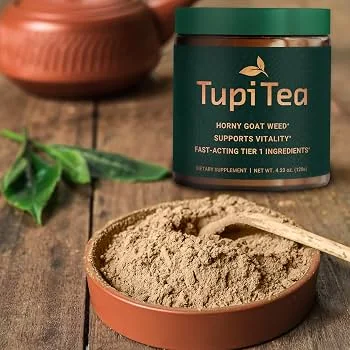
Epimedium, sold widely as horny goat weed, is a plant genus used in traditional Chinese herbal medicine. The seller’s presentation names the genus rather than a species, so the exact species and plant part are worth confirming.
Catuaba Bark
Catuaba is a traditional Brazilian remedy, and the name has been applied to several different trees. The seller’s presentation specifies the bark, and the tree species is worth confirming.
“Miranta” As Named By The Seller
The seller’s presentation lists an ingredient called “Miranta.” No botanical species or plant part was given in the material reviewed for this page, so the ingredient is described here only by the name the seller uses. The seller or the jar label can confirm which plant it refers to.
This section describes what each ingredient is, not what it does. What the research on individual botanicals shows is covered in the guide to what the evidence says about Tupi Tea.
Formula Details To Confirm Before Buying Tupi Tea
Tupi Tea names its ingredients clearly in the seller’s presentation, and a few further details are worth confirming with the seller or on the jar label.
| Detail | In The Seller Material Reviewed | Where To Confirm |
|---|---|---|
| Amount of each ingredient per serving | Not included | Jar label or seller |
| Plant part and form of each ingredient | Given for cayenne fruit and catuaba bark, not for the others | Jar label or seller |
| Botanical identity of “Miranta” | Not stated | Seller |
| Standardization or extract details | Not stated | Jar label or seller |
These are routine questions for any botanical supplement, and the seller or the jar label is the best place to settle them before comparing formulas.
Confirming Which Tupi Tea Formula You Are Ordering
Tupi Tea is described in slightly different ways across the web, and some third-party pages list a different set of ingredients from the six named in the seller’s presentation.
This page covers only the six ingredients in that presentation, which relates to the product promoted on this site. Details from one formula do not apply to another, so compare the ingredient panel on the order page with the table above and ask the seller to clarify any difference. The steps for checking the seller and the jar you receive are covered separately.
Key Takeaways On The Tupi Tea Formula
Tupi Tea is presented by its seller as a six-ingredient botanical formula, with amounts, plant parts and the identity of “Miranta” best confirmed from the seller or the jar label.
For the wider buying decision, the full Tupi Tea review looks at the product as a whole, and the where-to-buy guide explains package options and ordering. The main Tupi Tea product page gives an overview of the product alongside pricing and the guarantee.
Frequently Asked Questions About Tupi Tea
Tupi Tea buyers tend to ask about specific ingredients and label details, so these answers add points the sections above leave out.
Does Tupi Tea Contain Any Ingredients Besides The Six Named Botanicals?
The seller’s presentation names six ingredients and does not describe anything else, but it also does not include a full Supplement Facts panel. The Other Ingredients line on the Tupi Tea jar label is the place to confirm whether anything beyond the six is present.
What Does Standardized Extract Mean On A Tupi Tea Label?
A standardized extract is made so that a marker compound, shown as a percentage, is kept at a stated level. The material reviewed for this page does not state any standardization for Tupi Tea, so if the jar label shows a figure, it describes that ingredient’s extract and applies only to that ingredient.
Can I Take More Or Less Than The Labeled Tupi Tea Serving?
The seller states that Tupi Tea is prepared by mixing two heaping scoops with hot or cold water. Because the amount of each ingredient changes in proportion to how much is used, follow the directions on the actual product label, which is the reference if it differs from promotional material. Anyone who wants to use a different amount should ask a healthcare professional first.
Can People With Pepper Or Nightshade Allergies Use Tupi Tea?
Cayenne comes from a Capsicum pepper, which belongs to the nightshade family, so anyone with a pepper allergy or a known nightshade sensitivity should ask a doctor or allergist before using Tupi Tea.
Could The Ingredients In Tupi Tea Interact With Prescription Medicines?
Botanical ingredients can interact with some medications, so anyone taking prescription medicine should check with a doctor or pharmacist before using Tupi Tea. Bring the full ingredient list from the jar, since that is what they need to review for interactions.
Is Tupi Tea Intended For Women Or Younger Adults?
Tupi Tea is marketed to adult men, and the materials available for this page contain no information on use by women, teenagers or children. Anyone outside that group should speak with a healthcare professional first, and the product should be kept away from children.
Will Tupi Tea Taste Spicy Or Herbal?
The seller describes the flavor of Tupi Tea as an exotic-fruit taste. That description comes from the seller’s promotional material and has not been independently verified, and this site does not publish customer taste claims. The seller also names cayenne fruit and damiana, a plant traditionally brewed as tea, among the ingredients.
Is The Tupi Tea Formula The Same In Every Package Size?
The package options for Tupi Tea differ in quantity, and the materials give no sign of a different formula in larger packs. When any order arrives, check that each jar label shows the same ingredient panel.
How Should Tupi Tea Be Stored To Protect The Ingredients?
Follow the storage directions on the Tupi Tea jar, since they come from the seller and can be updated. As a general practice for powdered botanicals, keeping the container closed and away from moisture and heat helps protect the contents.
Can I Compare Tupi Tea With Another Product By Ingredient Names Alone?
Names alone are not enough, because two products can list the same botanical in different amounts, plant parts or extract forms. To compare Tupi Tea fairly, put the full Supplement Facts panels side by side and check each ingredient’s amount, part and form.