Last reviewed October 11, 2026
Male Vitality Supplements: Ingredients, Evidence & What To Know
Search for male vitality supplements and you will find everything from plain vitamin-and-mineral formulas to herbal blends promising stamina, drive and "peak performance." The labels are confident. The research behind them is often much less so. This guide explains what vitality supplements for men typically contain, which claims have stronger or weaker support, how to compare products on a label, and where the safety risks sit.
Disclosure: This is an independent affiliate website. We are not the manufacturer or seller of any product mentioned, and we may earn a commission if you buy through our links, at no extra cost to you. This page is general information, not medical advice.
What Are Male Vitality Supplements?
"Male vitality supplement" is a marketing label, not a medical or regulatory category. It usually refers to dietary supplements aimed at men's energy, stamina, sexual wellness or general vigor. Most fall into a few groups: vitamin-and-mineral formulas, amino-acid products, herbal or botanical blends, and combinations of all three, sold as capsules, tablets, powders or drinks.
They differ from two things people often confuse them with. A basic multivitamin aims to fill general nutrient gaps and makes no claim about sexual or physical performance. A prescription medicine, by contrast, must be approved by the FDA before it can be sold [2]. In the United States, the FDA is not authorized to approve dietary supplements for safety and effectiveness before they are marketed [1], which is why independent evidence matters so much when you evaluate a men's vitality supplement.
Why Do Men Consider Vitality Supplements?
The reasons are usually ordinary ones: tiredness that has lingered, a drop in motivation or stamina, concerns about nutrition, or changes in sexual desire or performance that come with age or stress. Marketing tends to treat these as one problem with one pill-shaped answer. In practice they have many different causes.
- Sleep and stress. Poor sleep, long work hours and chronic stress are common contributors to low energy and low desire.
- Health conditions. Cardiovascular disease, diabetes, sleep apnea, depression and low testosterone can all contribute.
- Medications. Some prescriptions affect energy, mood or sexual function as a side effect.
- Lifestyle. Alcohol, smoking, inactivity and weight changes can all affect energy and sexual function.
A supplement may suit a genuine nutrient gap. It is much less likely to solve a problem rooted in one of the causes above, which is why the first step is working out what is actually going on.
Common Ingredients In Men's Vitality Supplements
Labels vary, but the same ingredients appear again and again. The table groups them by what they are marketed for and gives a cautious snapshot of the human evidence. It is a general summary, not a systematic review. Numbers in brackets point to the references at the end of this page.
| Ingredient | Commonly marketed for | Evidence snapshot |
|---|---|---|
| Zinc | Male health, testosterone support | An essential mineral. Supplements matter most when intake is low. The NIH sets an adult upper limit of 40 mg a day from all sources [6]. |
| Vitamin D | Energy, hormone support | Relevant mainly when levels are low, which a blood test can show. |
| Panax ginseng | Erectile function, stamina | A Cochrane review found a very small improvement on questionnaires, with mostly low-certainty evidence [3]. |
| Tribulus terrestris | Testosterone, libido | A 2025 systematic review found weak evidence and no robust evidence of higher testosterone [4]. |
| L-arginine | Blood flow, erections | A 2023 meta-analysis of L-arginine combined with Pycnogenol (three small trials) found weak evidence and called for more research [5]. |
| Maca | Desire, energy | A 2010 systematic review of four randomized trials (131 participants) found limited evidence that maca improves sexual function [7]. |
| Ashwagandha | Stress, vitality | A 2023 report described two cases of liver injury assessed as probably related to ashwagandha [8], a reason for caution. Evidence for vitality benefits is not summarized here. |
| Epimedium, muira puama, catuaba, damiana | Desire, stamina | Marketed largely on traditional use; human trial evidence was not reviewed for this page. |
What Does Scientific Research Actually Show?
It helps to sort claims into four levels, because supplement pages often blur them:
- Traditional use. A plant has been used for generations. This explains its popularity but is not proof of an effect.
- Manufacturer claims. Statements on a label or sales page. These are not independently tested findings.
- Preliminary findings. Cell, animal or small human studies. Interesting, but they often fail to hold up in larger trials.
- Stronger clinical evidence. Well-designed, adequately sized trials with placebo groups, ideally pooled in a systematic review.
Two examples show how this plays out. A 2021 Cochrane review of ginseng for erectile dysfunction found that, compared with placebo, ginseng made only a very small difference on standard questionnaires, with low certainty for most outcomes [3]. And a 2025 systematic review of Tribulus supplementation in men described the evidence as weak, rated about half the included studies as low quality, and found no robust evidence of increased testosterone [4].
The reviews above illustrate recurring limitations: few and small trials, mixed study quality, and findings on single ingredients that may not carry over to a blend.
To understand how this evidence applies to the Tupi Tea formula specifically, read our Does Tupi Tea Work? guide.
How To Compare Male Vitality Supplement Formulas?
When evidence is thin, the label becomes your best tool. A few checks separate a transparent product from a vague one:
| Check | Why it matters |
|---|---|
| Individual amounts listed | A "proprietary blend" hides how much of each ingredient you get, so you cannot compare doses with research. |
| Standardized extracts | Standardization (for example, a stated percentage of a marker compound) makes the dose more consistent. |
| Doses versus studied doses | Tiny amounts of a well-studied herb may not resemble the dose used in trials. |
| Third-party testing | Independent verification of contents and contaminants is more reassuring than a claim alone. |
| Stimulants and fillers | Caffeine or other stimulants can mimic a feeling of energy without improving anything underlying. |
| Claim language | Be wary of promises to cure, "boost testosterone" or guarantee performance. |
| Cost per serving | Compare daily cost rather than bottle price, since you may need ongoing use. |
| Seller transparency | A named company, working contact details and clear return terms. |
For Tupi Tea-specific purchasing information, including where to order and what to check before checkout, see our Where To Buy Tupi Tea guide. For the product’s botanical details, see our Tupi Tea ingredients guide.
Natural Supplements For Male Vitality: What To Consider?
"Natural" describes the source, not the safety. Plant extracts can have real biological effects, which is exactly why they can also cause side effects. If you are weighing natural supplements for male vitality, a simple sequence keeps the decision grounded:
- Name the goal. Energy, stamina and sexual wellness are different targets, and a product rarely serves them all.
- Rule out the basics. Sleep, stress, medications and a routine checkup come before a purchase.
- Pick the simplest option. A single, well-understood ingredient is easier to evaluate than a long blend.
- Set a trial period. Decide in advance how long you will try it and what would count as a change.
- Change one thing at a time. Otherwise you cannot tell what helped.
Format is a personal matter. Capsules are portable, powders and drinks suit people who dislike pills, and none of these is inherently stronger than the others.
Potential Side Effects And Medication Interactions
Supplements can interact with medicines and are not a substitute for diagnosis or treatment. These are the main concerns to raise with a pharmacist or doctor:
- Prescription and over-the-counter medicines. Supplements can interact with some medicines, and the NIH gives vitamin K and warfarin as an example [2]. Ask a pharmacist or doctor whether any ingredient could affect heart, blood-pressure, blood-thinning, diabetes or erectile-dysfunction medicines, and get your provider's approval before combining them.
- Stimulants. Added caffeine can raise heart rate and disturb sleep.
- Too much zinc. The NIH notes that long-term excess may lower copper levels and immunity, so check every product you take for zinc [6].
- Unchecked contents and claims. Because the FDA does not approve supplements for safety and effectiveness before they are marketed [1], dramatic promises deserve skepticism. Prefer sellers that disclose full ingredient amounts.
Follow the label directions, avoid stacking overlapping products, and stop use if you have an unexpected reaction. For product-specific precautions, read our Tupi Tea side effects guide.
Supplements Vs. Lifestyle Foundations
Few supplements can compete with habits that are widely recommended for general health: regular physical activity, adequate sleep, a healthy weight, limited alcohol, not smoking and managing stress. They also cost very little, and they are worth sorting out before spending on a product.
For a more detailed evaluation of the product, explore our Tupi Tea Review covering its botanical formula, available evidence, product characteristics, and key purchasing considerations.
Know when to involve a doctor. Persistent or sudden changes in erections, desire, energy or mood deserve a proper assessment, as do symptoms like chest pain, breathlessness or heavy snoring. A clinician can check for conditions that supplements cannot address, review your medicines and, where relevant, order tests such as testosterone or vitamin D.
Where Tupi Tea Fits Within This Category?
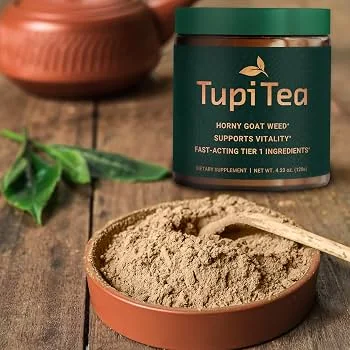
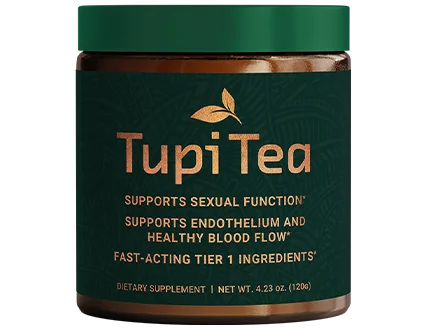
Tupi Tea is a botanical supplement marketed for men's wellness. According to the seller's promotional information, it comes in powder form and is prepared by mixing the recommended serving with hot or cold water. The seller mentions several botanical ingredients, but the promotional material reviewed does not provide a complete ingredient label with individually disclosed quantities. Before purchasing, check the current Supplement Facts panel, serving instructions, and seller's terms. The seller's performance claims should not be treated as independent clinical evidence that the finished product is effective. For general product information, see the Tupi Tea product overview.
Want a closer look at this specific product? Read our Tupi Tea review for an assessment of its ingredients, scientific evidence, advantages, limitations, and purchasing considerations.
For additional details about Tupi Tea's seller information, product authenticity, and purchasing checks, read our Is Tupi Tea Legit? guide.
See the current Tupi Tea details
Apply the checklist above to the label and the seller's terms, then decide whether it suits you.
Explore Tupi Tea Product DetailsAffiliate link. We may earn a commission at no extra cost to you.
Frequently Asked Questions
It depends on the ingredient and the goal. Correcting a real nutrient shortfall can help, while the human evidence for popular herbs such as ginseng and Tribulus is limited or low-certainty. Expectations should stay modest, and results may vary between men.
Safety depends on the ingredients, doses and your health. Active herbs and high-dose minerals can cause side effects or interact with medicines, so ask a pharmacist or doctor first if you take prescriptions or have a heart condition.
Reliable evidence is thin. A 2025 systematic review of Tribulus trials found no robust evidence of higher testosterone in men. Low testosterone is a medical diagnosis made with blood tests, so a supplement is not a substitute for being assessed by a clinician.
For many people with a varied diet, a basic multivitamin or no supplement at all may be enough. Specialized formulas add herbs and amino acids aimed at stamina or desire, which carry less evidence. A blood test can show whether a specific deficiency is worth addressing.
There is no standard answer, because studies use different periods. A sensible approach is to set a clear goal, change one thing at a time, note changes in sleep and stress, and decide in advance when to stop. If you feel unwell at any point, stop and seek advice.
Not necessarily. Price does not show how much of each ingredient you get or whether the product was independently tested. Compare cost per daily serving, whether amounts are listed individually, how they relate to studied doses, and the seller's return terms, rather than relying on the price tag.
Final Considerations
The honest summary of the male vitality supplements market is that correcting a real deficiency can help, the evidence for many popular herbs is limited, and sleep, activity, stress and underlying health are worth addressing first. If you decide to try a product, choose one with a transparent label, check it against your medications and set a realistic trial period.
References
Checked October 11, 2026. All eight references were opened and checked, and the statements attributed to them match those pages (reference 2 was read at its print-view address). Statements without a bracketed number are general background. The Tupi Tea product description is based on the seller's promotional material, not an independently verified Supplement Facts label. This page has not been reviewed by a medical professional and is not a substitute for professional advice.
- U.S. Food and Drug Administration. Information for Consumers on Using Dietary Supplements.
- NIH Office of Dietary Supplements. Dietary Supplements: What You Need to Know.
- Lee HW et al. Ginseng for erectile dysfunction. Cochrane Database of Systematic Reviews, 2021.
- Vilar Neto J de O et al. Effects of Tribulus (Tribulus terrestris L.) Supplementation on Erectile Dysfunction and Testosterone Levels in Men: A Systematic Review of Clinical Trials. Nutrients, 2025.
- Tian Y et al. Efficacy of L-arginine and Pycnogenol in the treatment of male erectile dysfunction: a systematic review and meta-analysis. Frontiers in Endocrinology, 2023.
- NIH Office of Dietary Supplements. Zinc: Fact Sheet for Consumers.
- Shin BC et al. Maca (L. meyenii) for improving sexual function: a systematic review. BMC Complementary and Alternative Medicine, 2010.
- Bokan G et al. Herb-Induced Liver Injury by Ayurvedic Ashwagandha as Assessed for Causality by the Updated RUCAM: An Emerging Cause. Pharmaceuticals, 2023.